Our care experts have been helping families
Since 2016
Answer a few quick questions. It takes less than a minute.
Our care experts have been helping families
Since 2016
We have supported families in securing
£19.9 million
in care benefits & funding
It takes just 15 minutes. A real person will ask a few simple questions to find out what you could be entitled to.
We handle everything for you, start to finish. No hassle.
Incl VAT, only if you're successful. 100% refund if you're not.
You can get a Blue Badge if a disability or health condition makes getting around very difficult. You may qualify if you:
Some people qualify automatically because of a disability benefit they already get. Otherwise, your local council decides. Rules differ slightly in Scotland, Wales and Northern Ireland.
Yes. People with non-visible conditions, such as autism, dementia or anxiety, can qualify if their condition makes journeys very difficult or puts them at risk of serious harm. Your local council decides.
In England, councils can charge up to £10. A badge lasts up to 3 years. If you qualify through a benefit, it may end sooner, in line with your benefit award.
Yes. The badge belongs to the person, not the car. You can use it in any vehicle you’re travelling in, as the driver or a passenger.
Yes. A badge issued in England, Scotland, Wales or Northern Ireland is recognised across the UK. Some parking rules differ between nations, so check local signs.
A sensible question to ask. Blue Badges are only issued by your local council, and we never ask for your badge or bank details. You can speak to the team before anything starts, and an expert will be assigned to you. There’s a £120 advice, review and processing fee (incl VAT), payable only on a successful outcome, with a 100% refund if it isn’t.
Still have a question?
Parking made simpler
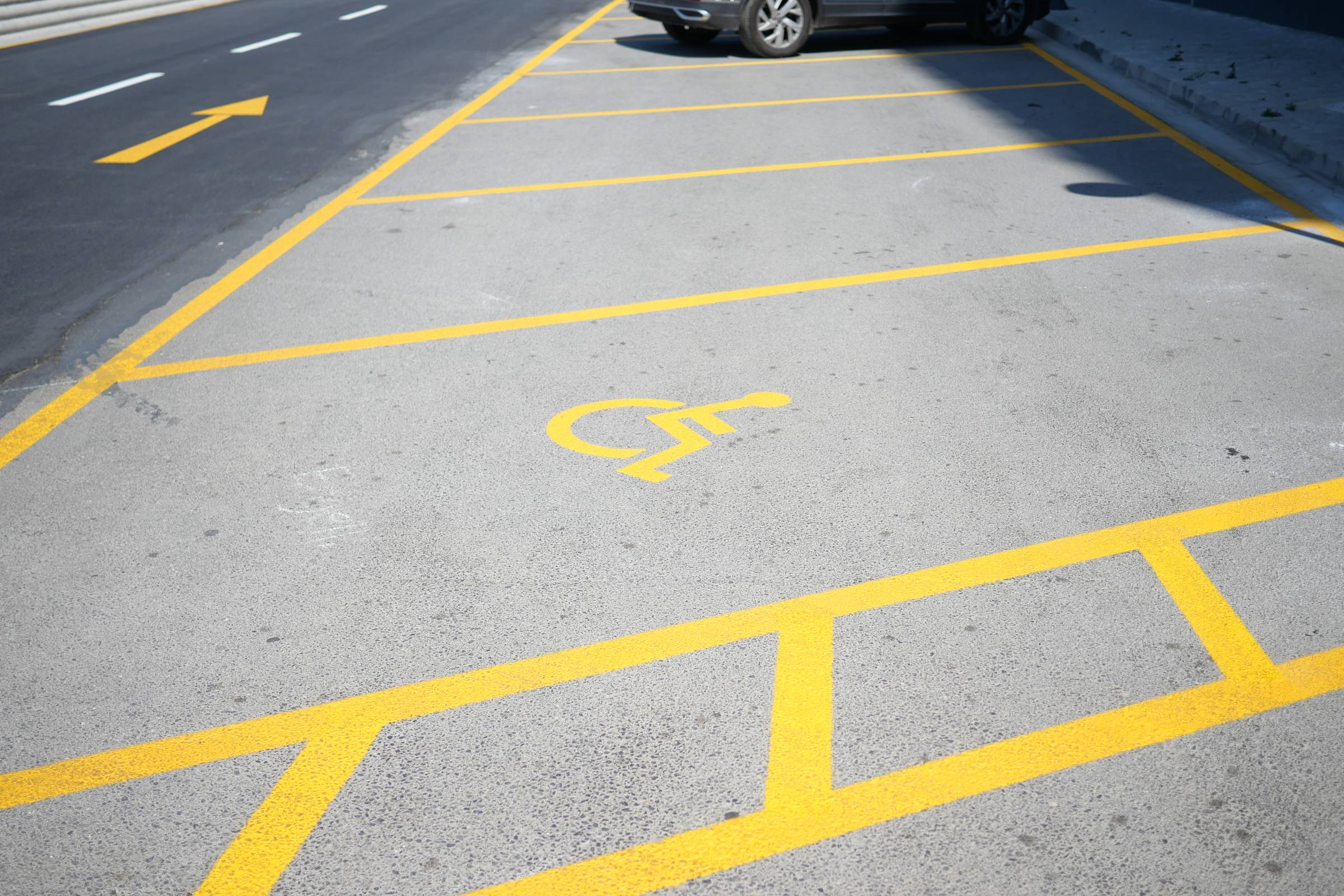
A Blue Badge lets disabled people park closer to where they're going, whether they drive or travel as a passenger.
It's not just for wheelchair users. People with hidden disabilities, such as autism, dementia or anxiety, can qualify too.
Blue Badge
Up to 3 years
per badge, recognised across the UK
Rules vary by area, so always check local signs.
Many people with a Blue Badge can walk a little. It's about how hard journeys are, not whether you use a wheelchair.
Hidden disabilities can qualify. That includes conditions like autism, dementia and severe anxiety.
The badge belongs to the person, not the car. It can be used whenever they travel as a passenger.
Circumstances change, and evidence matters. It may be worth applying again with the right support.
The service I got was responsive, efficient, compassionate, supportive and made a really difficult time much easier.
It was really beneficial to talk to someone who could explain things in a simple way. Government websites can be extremely complicated and confusing, with information found in various places, making it difficult to know your rights. The fact that KareHero can offer support with difficult conversations and meetings is great.
By the end of the call I felt like some of the weight of being a carer had been lifted from my shoulders. Just speaking to someone who knows what we are going through and who understands how to navigate the complex system was incredible! I am extremely grateful to have this opportunity with KareHero.
Money for people aged 16 to State Pension age whose condition makes daily life or getting around harder.
Find out moreMoney for people over State Pension age who need a little extra help at home.
Find out moreTops up weekly income for people over State Pension age, and can unlock more help.
Find out more


















KareHero is a private company and is not affiliated with the UK government. Blue Badges are issued by local councils. You can apply directly, at gov.uk/apply-blue-badge. Information checked against GOV.UK on 7 October 2026.